Neoprene foam is one of the most important parts of a wetsuit, yet it’s also one of the least understood. Most surfers judge a wetsuit by how warm or flexible it feels, without realizing that these sensations are largely defined by the foam hidden inside the suit.
FOAM IS THE FOUNDATION OF EVERY WETSUIT
Wetsuit foam can either be traditional neoprene, previously derived from petroleum but in recent years mostly limestone based. Or alternatively, wetsuits can be made with a more sustainable plant-based foam, mostly referred to as natural rubber foam, or a combination of them. Only very cheap and poorly performing wetsuits are made with SBR, a neoprene foam imitation that should be avoided, unless it's in your laptop sleeve or beer Koozie.

Every surf wetsuit starts with closed cell foam. Before seams, panels, or linings come into play, the foam already determines how warm, flexible, and durable the suit can be. The most important thing to understand about neoprene foam is that it is always a balance. Foams that contain more nitrogen gas feel lighter, stretch more easily, and insulate better. Foams with less closed cell nitrogen bubbles are denser, heavier, and less flexible, but they are also stronger and more resistant to wear and pressure. But most importantly, the thickness of the foam, referred to as wetsuit neoprene thickness, has the greatest impact on warmth, and secondly on the wetsuit's flexibility.
There is no single foam that is best at everything. Every wetsuit is the result of choosing where flexibility matters most, where durability is needed, and how those priorities should feel in real conditions.

WARMTH AND FLEXIBILITY ARE CLOSELY LINKED
Warmth in a wetsuit does not come only from thickness. It also comes from how effectively the foam traps gases. Foams with a higher gas content can feel warmer even when they are thinner, simply because the hollow spaces filled with gas are an excellent insulator.
That same gas content is what allows high-quality foam to stretch (high elongation rate). When you paddle, duck dive, or twist your body on a wave, highly aerated foam in combination with a high rebound rate deforms easily but returns to its original shape smoothly without sagging or overstretching over time. This creates a natural, unrestricted feel that reduces fatigue during long sessions.
The trade-off is durability. Softer, stretchier foams are more sensitive to abrasion and repeated stress. Denser foams are cheaper, stretch less, but they handle pressure and wear far better over time.

WHY DIFFERENT AREAS OF A WETSUIT USE DIFFERENT FOAMS
A well-designed wetsuit does not rely on one foam type from top to bottom. Different parts of the body experience very different demands in the water.
In areas like the shoulders, arms, and upper torso, flexibility is critical. These zones benefit from lighter, stretchier foam that allows free movement and makes paddling feel effortless.
High-wear areas such as the knees are exposed to constant pressure, board contact, and repetitive movement. Here, slightly denser foam makes more sense. It sacrifices a small amount of stretch in exchange for better durability and shape retention.
The chest and back panels focus on warmth, as keeping your core warm is critical for overall comfort and performance. These areas can be made with slightly denser foam, often with smooth outer surfaces or water-repellent coatings, combined with more insulating inner linings. This helps retain heat while still maintaining enough flexibility in the torso, which generally requires less stretch than the shoulders and arms.
Using the right foam in the right place is one of the most effective ways to improve both comfort, warmth and lifespan without compromising performance.

FOAM CONSTRUCTION AND HOW IT AFFECTS FEEL
Foam performance is not only defined by density, but also by how it is used inside the wetsuit. In some constructions, the foam surface is left exposed on one side, often on the inside of the suit. This creates a very direct, warm, and flexible feel against the skin. These constructions require precise design and careful use, but they deliver maximum comfort and insulation.
Foam in surf wetsuits is laminated with fabric lining on one or both sides. This improves durability and makes the suit easier to handle, while still maintaining a good balance of warmth and stretch. If the wetsuit is laminated on the inside only, the outside foam can be left bare. This is called single-lined neoprene, often referred to as smoothskin, and has a skin-like, water-repellent surface finish. It is typically used on the chest and back panels of surf wetsuits, or across the entire suit in triathlon wetsuits, where reduced water drag and windchill protection are priorities. Most surf wetsuits, however, use double-lined neoprene, with fabric laminated on both sides of the foam for added durability and abrasion resistance. These choices are never made in isolation and are always tied to how the wetsuit is meant to be used and how it should feel in real surfing conditions.

HOW SRFACE APPROACHES FOAM SELECTION
At SRFACE, foam selection always starts with one question: how should this wetsuit feel in the water? Each model is designed around a specific balance of flexibility, warmth, durability, sustainability and price.
The Heat, Neoprene Top, and Springsuit models are built with a strong focus on freedom of movement. They use the highest quality, highly flexible limestone based neoprene foam that feels light on the body and moves naturally with every paddle stroke and turn. These suits are designed for surfers who prioritize comfort and performance during long or highly active sessions.
The Lite wetsuit is designed as a more balanced option. It uses a slightly firmer foam that offers increased durability, while smart panel layout and flexible seam construction ensure the suit feels as easy and comfortable to move in as our other wetsuits in the lineup. In practice, this means a dependable wetsuit that does not feel restrictive, even though the foam itself is a bit more robust.
Featured wetsuits
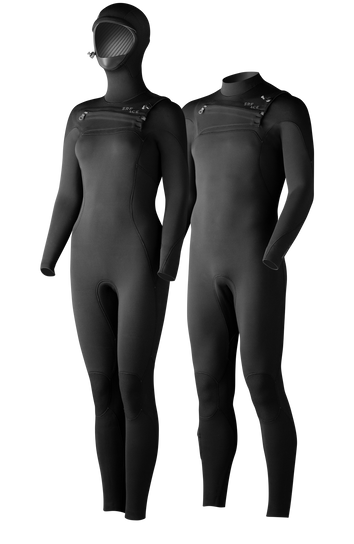
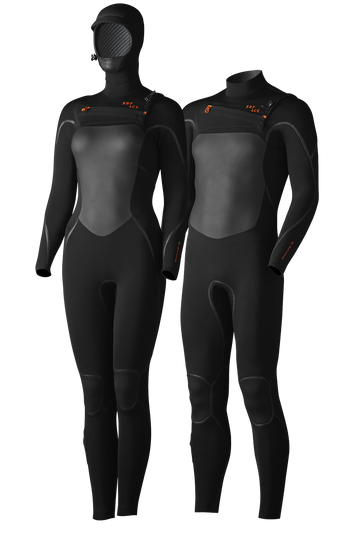
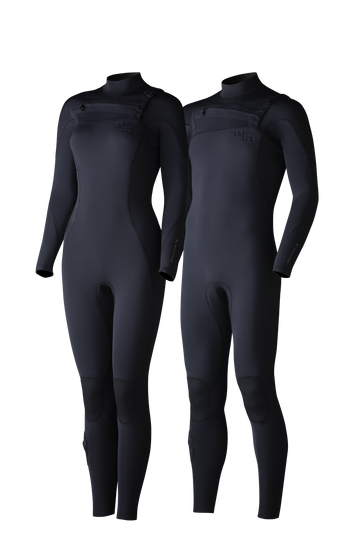
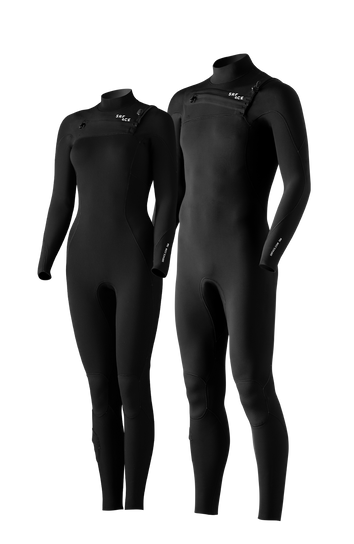
The Remix wetsuit uses a targeted foam approach. The most flexible Yamamoto #40 foam, with superb elongation and rebound, is used across most of the suit to maintain a high level of comfort and natural movement. In areas that experience the most stress, such as the knees, and the collar panel, a denser foam is applied to improve resistance to pressure and wear. This combination allows the suit to stay flexible where it matters most, while lasting longer in demanding conditions.
The Eco uses the most flexible natural rubber, plant-based foam, combined with recycled linings throughout, which makes the material comparable in stretch and durability as used in our Lite wetsuits, just more sustainable.

CHOOSING THE RIGHT FOAM COMES DOWN TO USE
When choosing a wetsuit, it helps to think about how and where you surf. If flexibility and a lightweight feel are your top priorities, foams with higher nitrogen gas content will feel noticeably better. If durability and longevity matter more, slightly denser foams, positioned in the right areas of a wetsuit, offer clear advantages.
SRFACE wetsuits are designed around these real-world considerations. Instead of chasing a single foam concept, each model uses foam in a way that supports its intended purpose.
Understanding neoprene foam makes it easier to understand why different wetsuits feel different, and why the right choice is not about a marketing buzzword/name or a label, but about how the suit performs when you are actually in the water.

Ready to surf?
Shop from €159